 HEARSAY CULTURE RADIO
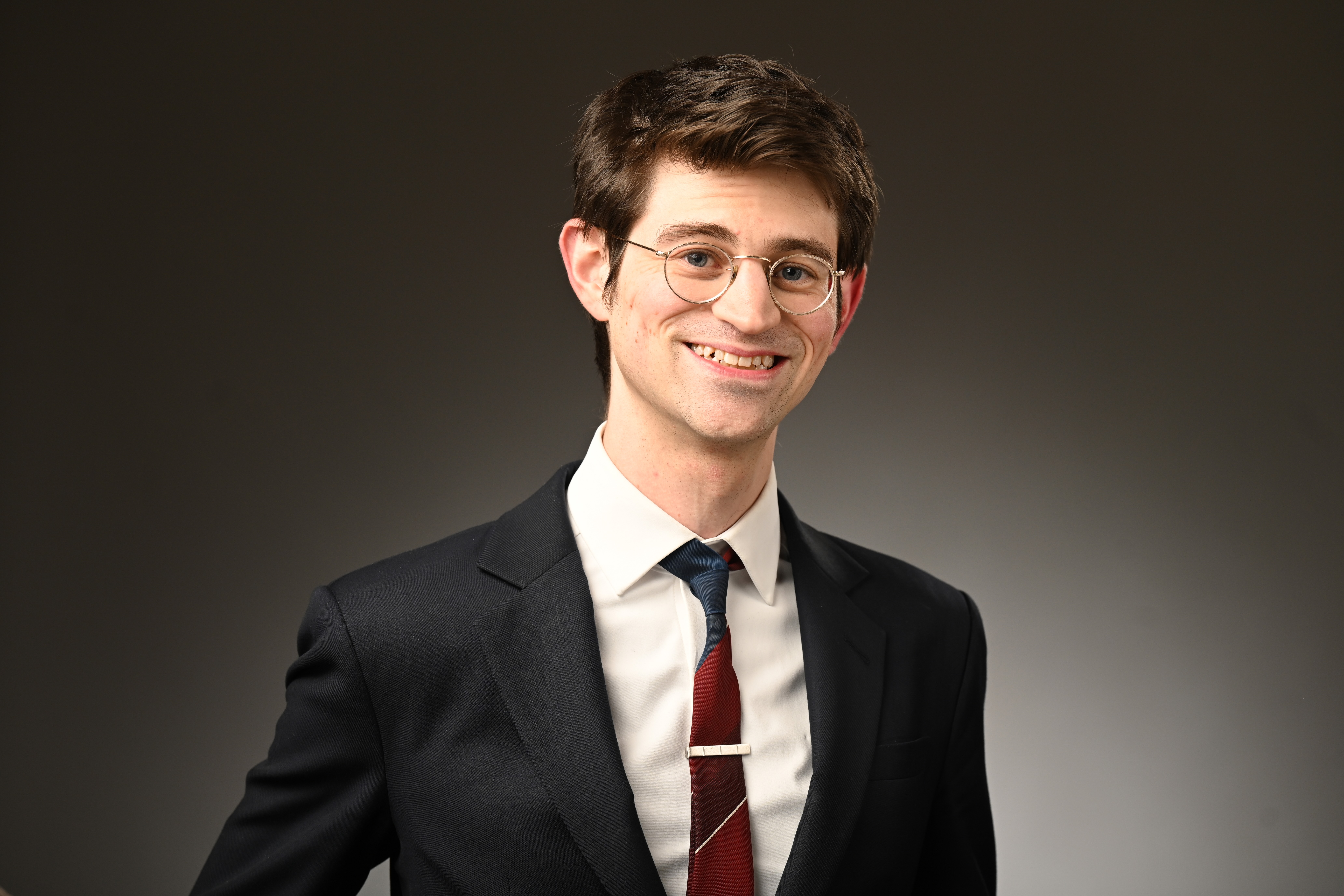
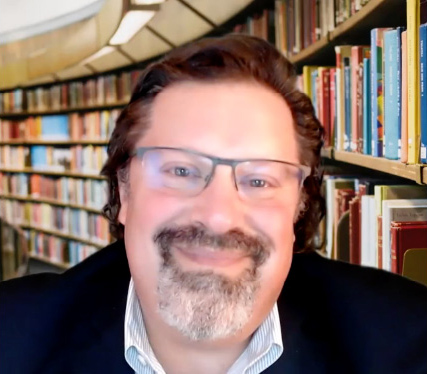
In this episode of Hearsay Culture, Dave Levine speaks with Doni Bloomfield about his forthcoming article (with Jeff Gordon), The New Export Control Equlibrium, and why export controls — one of the trade levers used by nations to protect their domestic industries — have become one of the most important but least understood tools shaping the future of artificial intelligence (AI). Bloomfield explains (remarkably clearly, even (or especially) if you know nothing about export controls) how restrictions on advanced AI chips, semiconductor manufacturing, and global technology supply chains influence the competition between the United States and China, while arguing that today’s export control system is no longer suited to the realities of the modern AI innovation economy. The conversation explores the intersection of national security, technological leadership, global trade, and AI governance; Doni offers a framework for understanding how governments can protect innovation without undermining the industries they seek to strengthen. Recorded in July 2026, the discussion is especially timely for understanding how policymakers, technology companies, and governments grapple with the race for AI global leadership and how the difficult balance between economic competition, international cooperation, and global security might be addressed.
“I’m very sympathetic with the vision that we should be trying to reach some kind of accord with the Chinese government to think about how to safely diffuse these technologies and … we need to take those risks very seriously. And I think that working with the Chinese government will hopefully be essential to controlling some of those risks. But I think that a key aspect, a key plank of that ability to work with with China will be just getting our hands around the chip supply. And I think that export controls are essential to doing that.” — Doni Bloomfield
“The key question for humanity today is whether to start a global AI arms race or to prevent it from starting.” Steven Hawking, Elon Musk, Steve Wozniak and 1,000 others, 2015 open letter.
Photo by Shubham Dhage on Unsplash